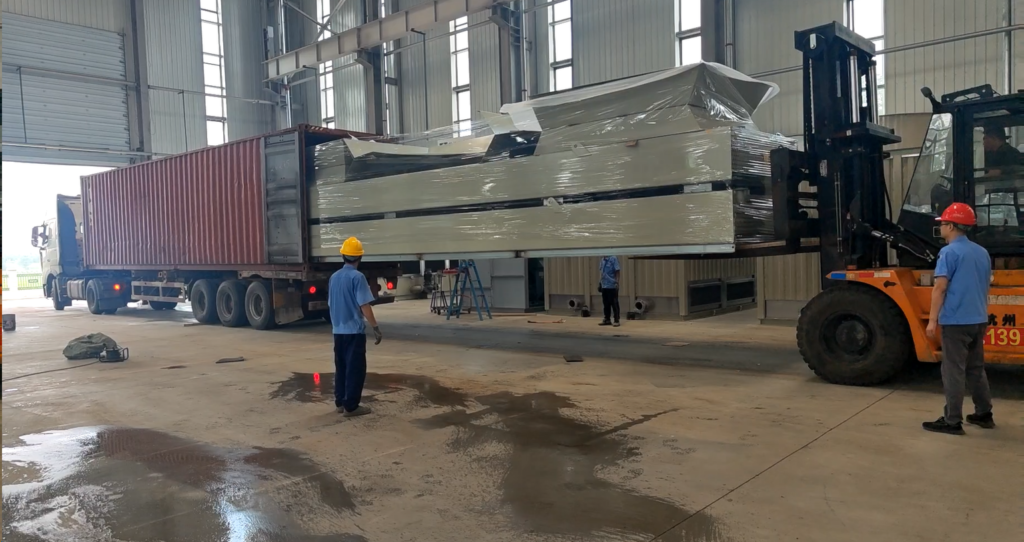
A selection guide for cold storage, freezing and industrial refrigeration heat rejection.
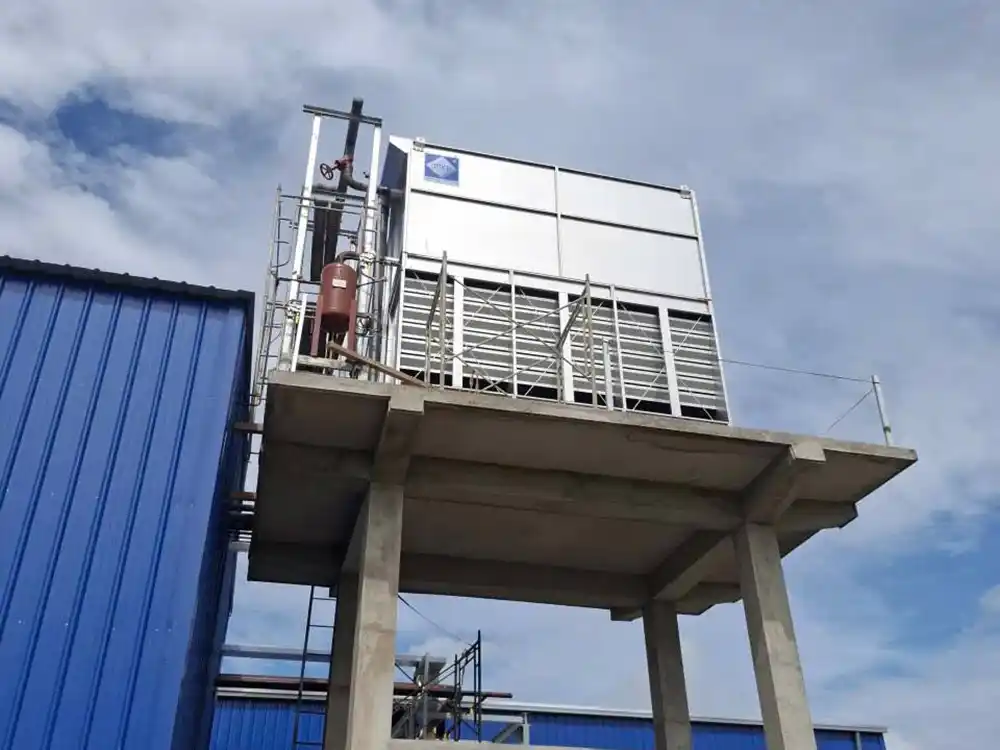
Start with the project inputs
For evaporative condenser for cold storage, project teams should document refrigerant, heat-rejection duty, condensing target, wet-bulb condition, water quality, access and seasonal operating profile. This keeps the discussion tied to the operating duty instead of a generic catalogue comparison.
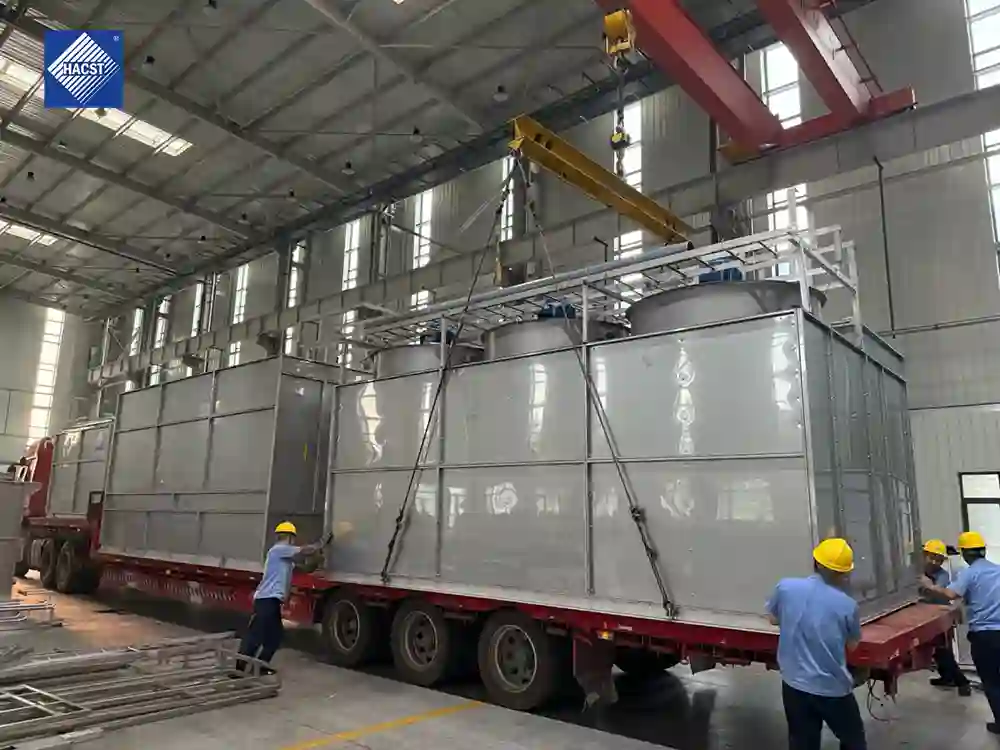
Selection should reflect real operation
Evaporative condensers work best when thermal design is paired with a practical plan for water treatment, cleaning and service access. Review the annual load profile as well as the peak case, then check maintenance access, controls, utility availability and future expansion before finalizing a layout.
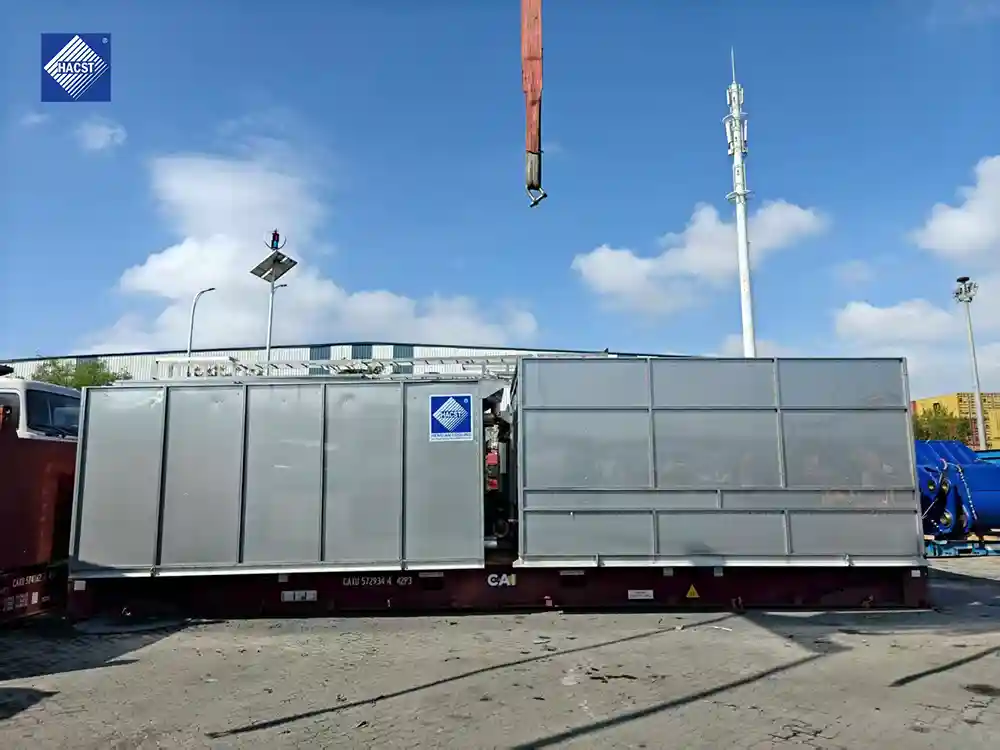
Move from data to a workable solution
HACST engineers can assess the application data and compare closed-circuit cooling tower, open cooling tower, evaporative condenser, air-cooled heat exchanger and dry and adiabatic cooling system options where appropriate. Use the project brief to identify the route that supports reliable operation, then contact HACST for a technical discussion.