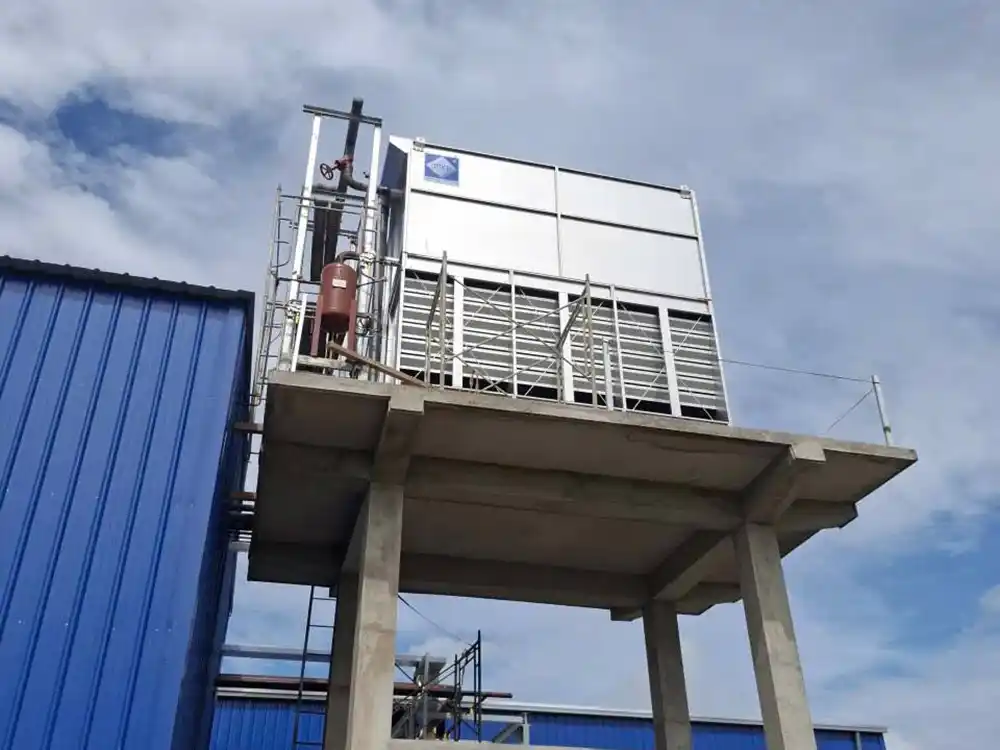
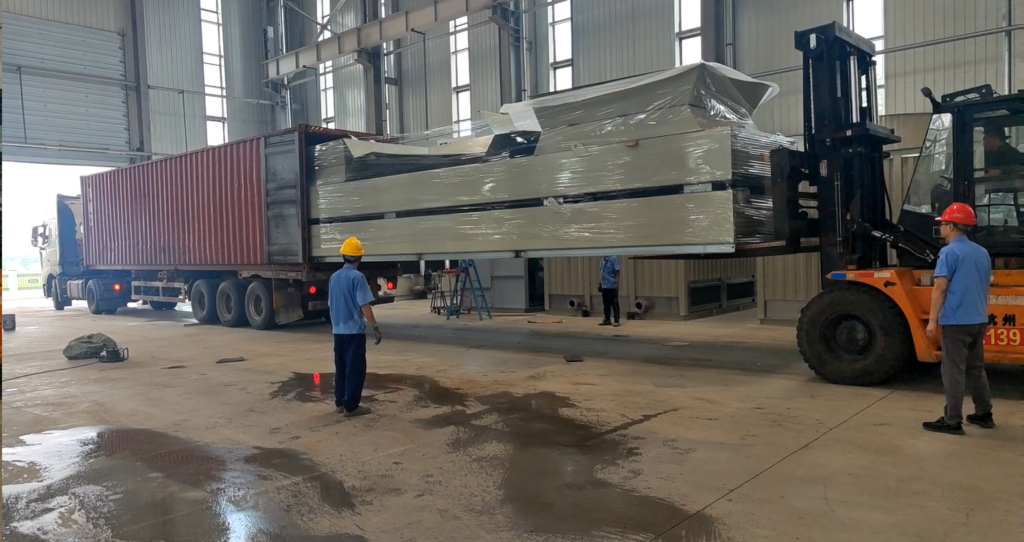
A practical reliability guide for routine tower water management and inspection.
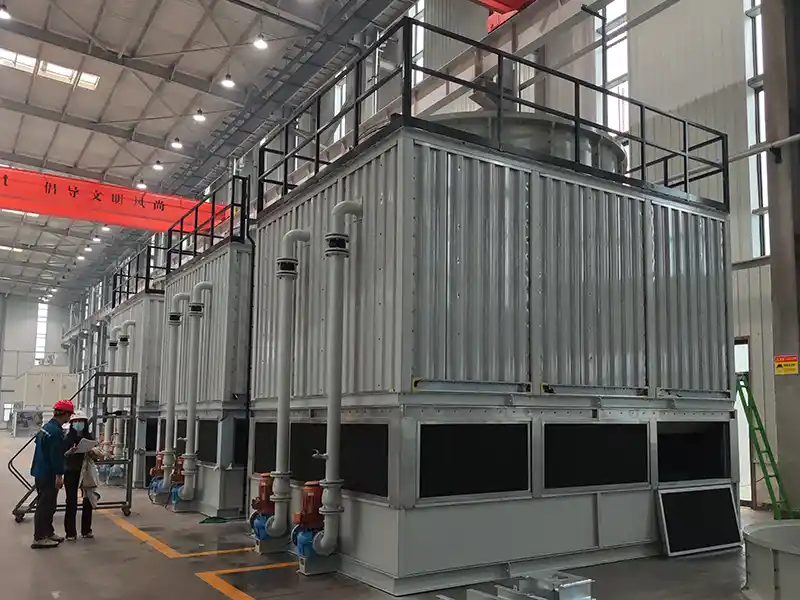
Start with the project inputs
For cooling tower water treatment and maintenance, project teams should document make-up water quality, concentration cycles, bleed-off, filtration, treatment responsibilities, inspection access and seasonal checks. This keeps the discussion tied to the operating duty instead of a generic catalogue comparison.

Selection should reflect real operation
Consistent records and scheduled inspections are more reliable than reactive repairs after scale, corrosion or biological growth develops. Review the annual load profile as well as the peak case, then check maintenance access, controls, utility availability and future expansion before finalizing a layout.

Inspect the parts that affect airflow and water distribution
Use inspection findings together with operating records before ordering replacement parts. Compare water flow, pump pressure, fan speed and temperature readings with the unit’s normal performance at similar load and weather conditions.
- Uneven water distribution: Check strainers and header pressure, then look for clogged or worn spray nozzles and blocked or damaged fill media. Record where dry or heavily wetted areas appear.
- Restricted inlet airflow or basin splash: Look for clogged, damaged or displaced air inlet louvers. Record the panel profile and dimensions before replacing them.
- Droplets at the discharge: Check the drift eliminators for damaged sections, gaps or incorrect orientation. Distinguish liquid carryover from visible water vapor condensing in the discharge air.
If a part needs replacing, capture the unit nameplate, original part markings, dimensions and installation photos. The cooling tower replacement parts guide lists what to send for each component.
Move from data to a workable solution
HACST engineers can assess the application data and compare closed-circuit cooling tower, open cooling tower, evaporative condenser, air-cooled heat exchanger and dry and adiabatic cooling system options where appropriate. Use the project brief to identify the route that supports reliable operation, then contact HACST for a technical discussion.