
A selection framework for seafood plants, cold rooms, freezers and refrigerated processing areas.
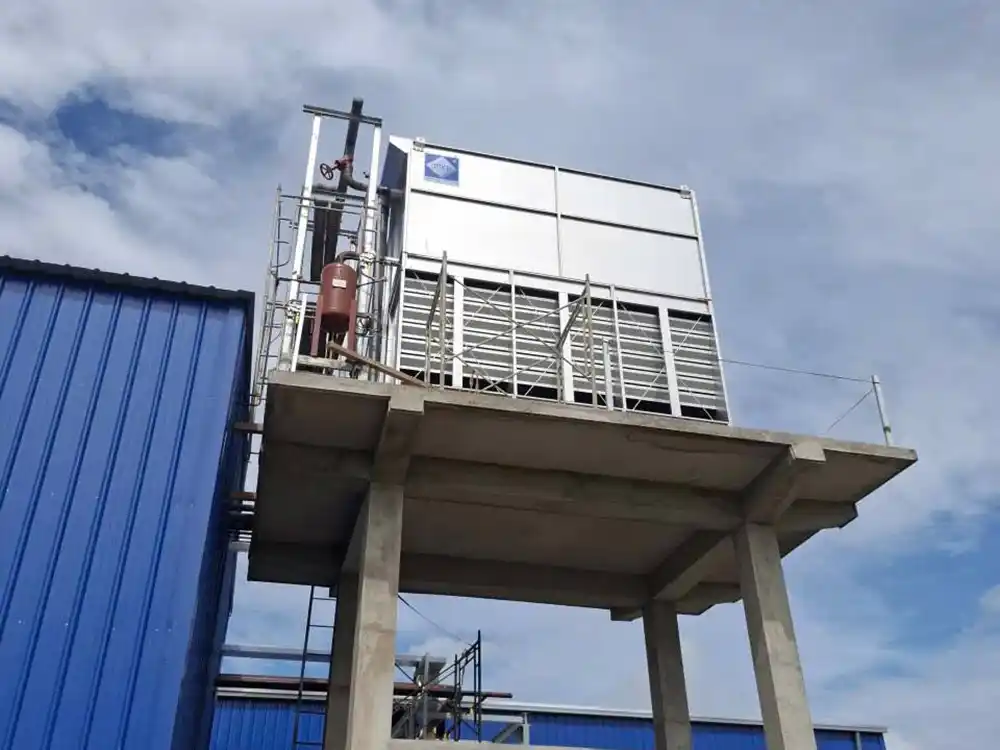
Start with the project inputs
For seafood processing cooling system, project teams should document refrigeration loads, seasonal peaks, refrigerant, wet-bulb conditions, washdown exposure, salt air and local water quality. This keeps the discussion tied to the operating duty instead of a generic catalogue comparison.
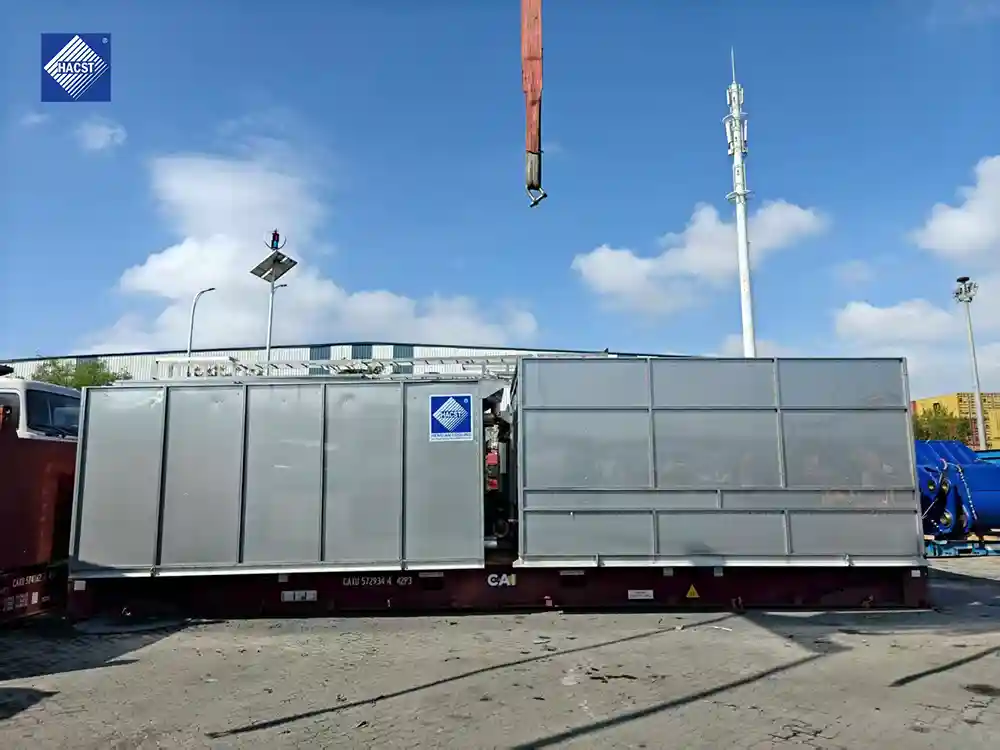
Selection should reflect real operation
Reliable cold-chain cooling combines correct heat rejection with practical cleaning, corrosion control and maintenance access. Review the annual load profile as well as the peak case, then check maintenance access, controls, utility availability and future expansion before finalizing a layout.
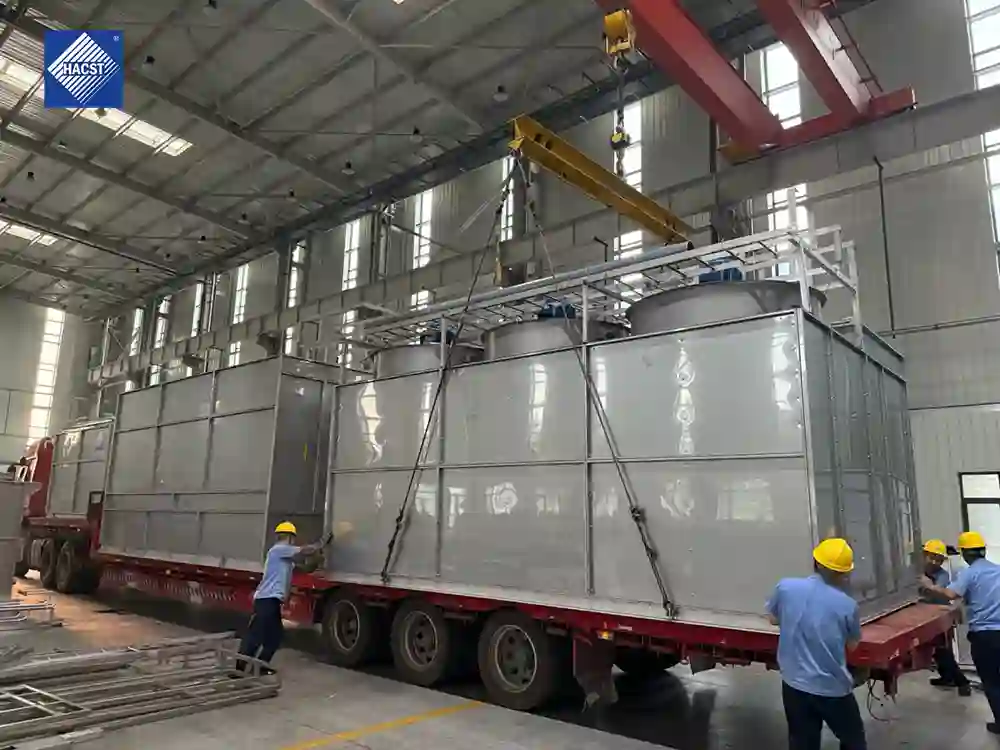
Move from data to a workable solution
HACST engineers can assess the application data and compare closed-circuit cooling tower, open cooling tower, evaporative condenser, air-cooled heat exchanger and dry and adiabatic cooling system options where appropriate. Use the project brief to identify the route that supports reliable operation, then contact HACST for a technical discussion.
