
Food & Beverage Processing Cooling Solutions
Food and beverage plants rely on stable cooling for process equipment, refrigeration utilities, product handling and temperature-controlled production areas. HACST develops cooling tower, evaporative condenser and air-cooled heat-rejection solutions around hygiene, water quality, corrosion protection and dependable plant operation.
Request a Food & Beverage Cooling Proposal
Cooling Duties in Food and Beverage Plants
- Process water and heat-exchanger cooling.
- Refrigeration, cold rooms and freezing utilities.
- Compressors, pumps and auxiliary equipment.
- Beverage production, filling and packaging utilities.
- Heat rejection for plant HVAC and service systems.
Key Design Considerations
Food and beverage facilities often combine demanding operating schedules with strict cleaning routines. Equipment selection should consider water treatment, drift control, access for inspection, corrosion exposure, material compatibility, noise, local climate and separation between process and utility circuits.
Closed Circuit Cooling Towers
A closed-loop arrangement can help keep process fluid isolated from the evaporative water circuit and simplify protection of sensitive heat exchangers.
Evaporative Condensers
Evaporative condensers can support industrial refrigeration duties where compact heat rejection and condensing performance are important.
Air-Cooled Heat Exchangers
Air-cooled systems can be considered where water availability, water treatment or discharge requirements favor sensible heat rejection.
HACST Selection Process
- Map process, refrigeration and HVAC heat-rejection duties.
- Confirm flow rate, temperature requirements, fluid type and operating hours.
- Review water quality, cleaning practices, corrosion and installation environment.
- Compare open, closed, evaporative, dry and adiabatic options.
- Prepare a maintainable configuration with appropriate access and controls.
Recommended Product Families
RFQ Information
Send the process duty, refrigeration capacity, fluid type, flow rate, inlet and outlet temperatures, project location, water quality, cleaning environment and available footprint.
Frequently Asked Questions
Does food production always require a closed-loop cooling tower?
No. The choice depends on whether the cooling fluid must remain isolated, the water treatment program, the process risk and the required maintenance strategy.
How should hygiene requirements affect equipment selection?
They should influence layout, access, drainage, cleaning procedures, materials, drift control and the separation of utility and process circuits.
Discuss Your Food Processing Cooling Project
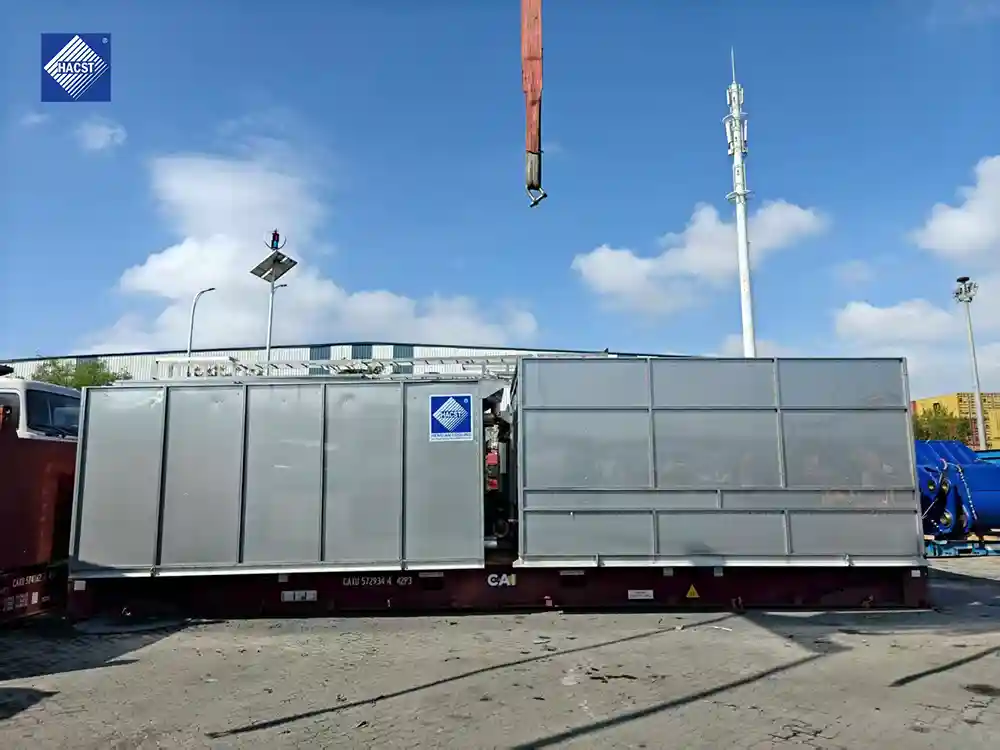
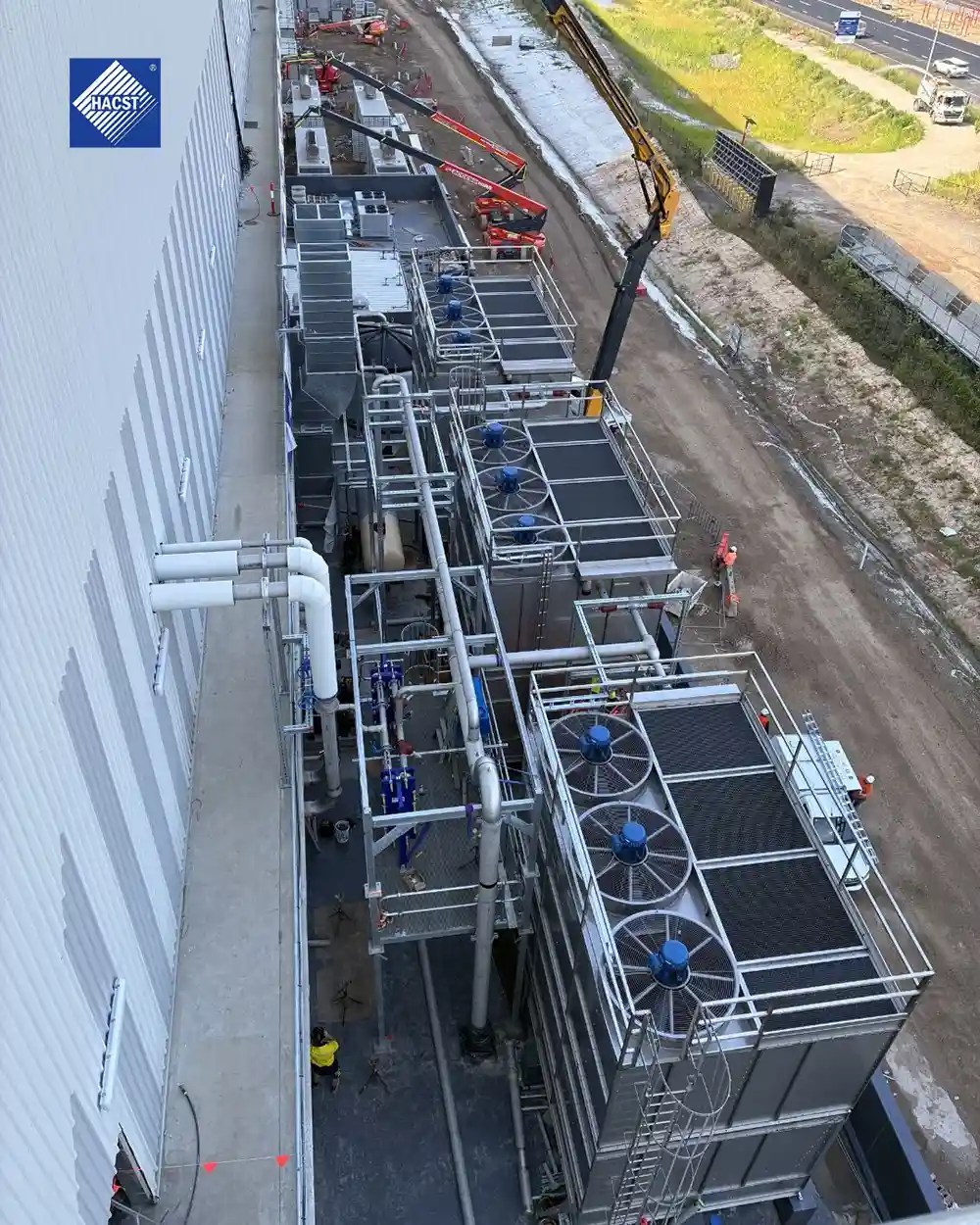
Food & Beverage Cooling Evidence
Project Data to Confirm Before Selection
| Process duties | Process water, refrigeration and utility heat loads |
|---|---|
| Temperatures | Flow rate and required inlet/outlet temperatures |
| Hygiene | Cleaning practice, materials, access and drainage |
| Site conditions | Water quality, corrosion exposure and available footprint |
Providing these details helps our engineers prepare a more accurate equipment selection and technical proposal.