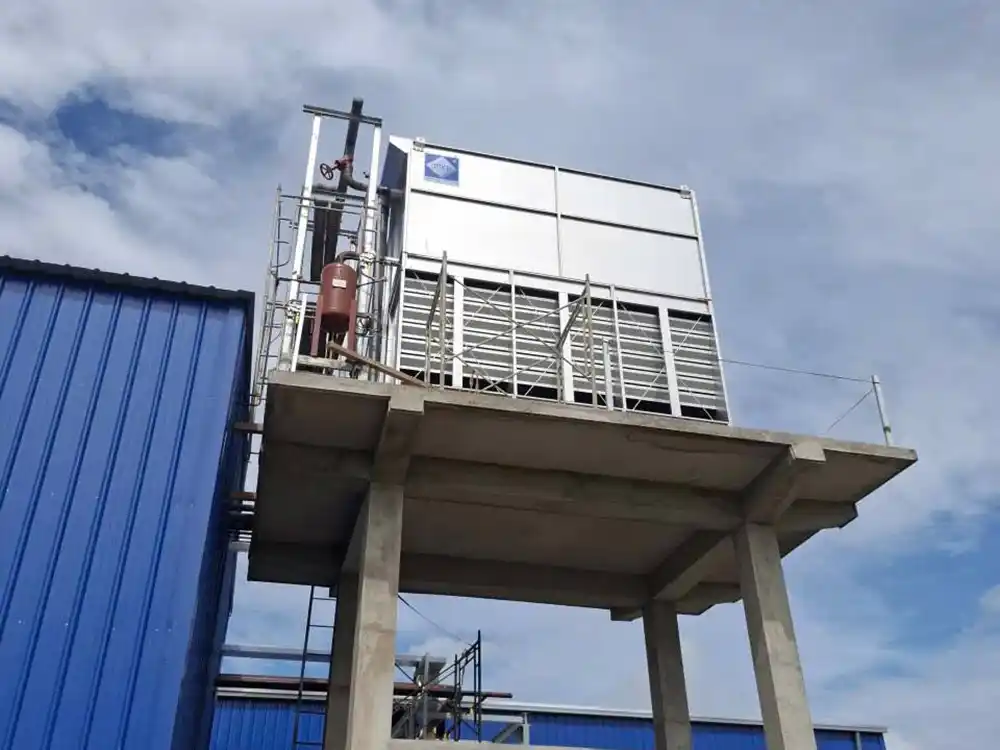
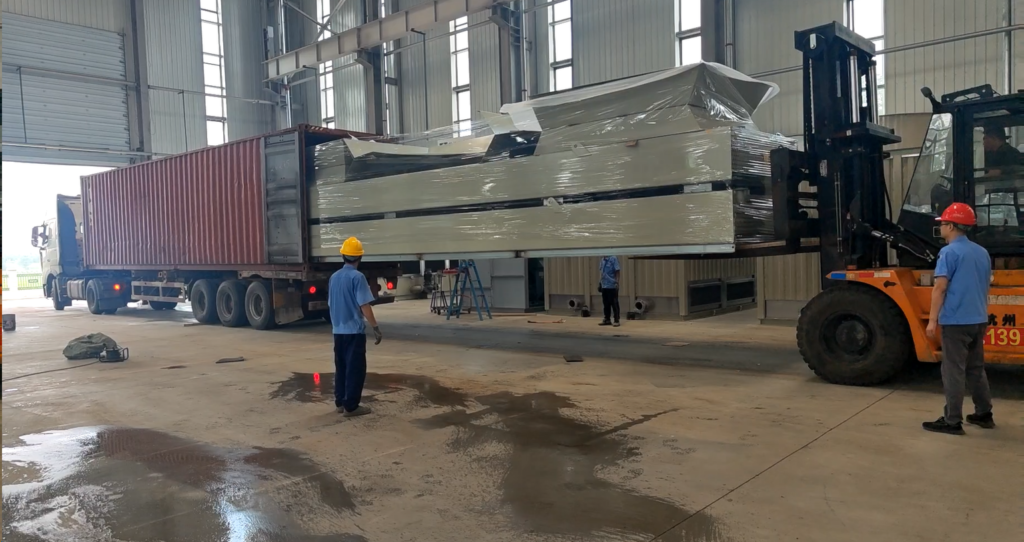
A practical comparison for process plants deciding between a protected closed loop and a direct open-water system.

Start with the project inputs
For closed circuit cooling tower vs open cooling tower, project teams should document process fluid cleanliness, water-treatment capability, thermal duty, climate, sound, service access and lifecycle cost. This keeps the discussion tied to the operating duty instead of a generic catalogue comparison.
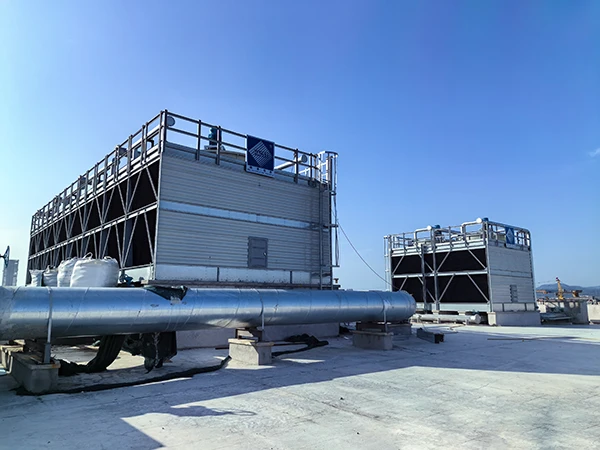
Selection should reflect real operation
Closed-circuit systems protect the process fluid inside a coil; open towers expose circulating water to air and require a well-managed water program. Review the annual load profile as well as the peak case, then check maintenance access, controls, utility availability and future expansion before finalizing a layout.
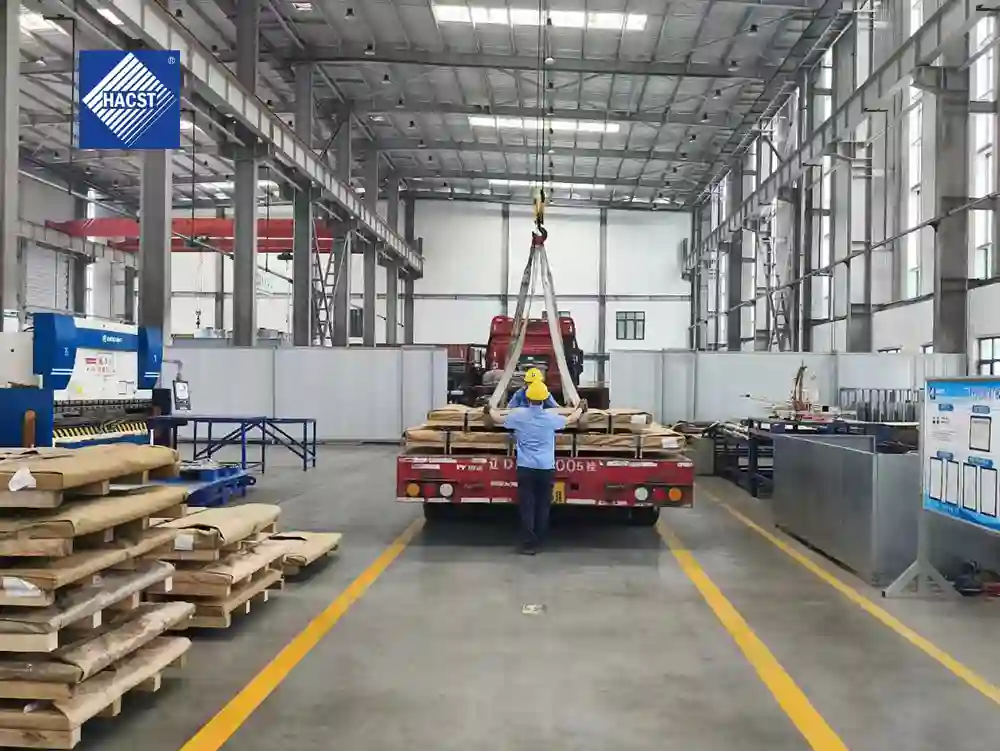
Move from data to a workable solution
HACST engineers can assess the application data and compare closed-circuit cooling tower, open cooling tower, evaporative condenser, air-cooled heat exchanger and dry and adiabatic cooling system options where appropriate. Use the project brief to identify the route that supports reliable operation, then contact HACST for a technical discussion.